Offerings · High Integrity Selling System · Conversational Messaging
Your sellers stop presenting your story and start co-creating your buyer's.
Built in your cross-functional leadership and the market facing representatives your field already trusts, in your buyer's terminology. We lay the foundation for compelling, consistent conversations across all interaction channels.
Winning conversations, for them, for you, and for your buyers.
The longer version of thatClose
Built in two to three days with your cross-functional leadership and the reps your field already trusts, in your buyer's terminology rather than mine. Your people write it. I hold the standard.
THE HIGH INTEGRITY SELLING SYSTEM · ALIGN THE ORGANIZATION
Messaging aligns the organization to execute the strategy.
ALIGN · THE ORGANIZATION
One compelling message that executes the strategy, aligned across every function.
WHY PROGRAMS FAIL › WHAT WE DO ABOUT ITClose
- 1
It does not achieve cross-functional alignment.
Your leadership team builds the message themselves. It carries their best tribal knowledge and institutional wisdom, so they take it back and drive it through their teams.
- 4
It aims at sales and leaves out every other selling role.
We build the company’s One Message Foundation. Pre and post sales teams get conversational messaging. Product gets a structure to drive market requirements. Marketing gets a usable messaging house that flows to campaigns.
- 7
It forgets the strategy it came from.
It is built on your strategy: your market, means, math, mediums and management. The message is how that strategy gets executed.
What it is
Conversational Messaging · What it is
What every conversation stands on
Read it from the bottom. Your strategy and your message are infused into all three, and the conversational structure is what carries them there.
OWNER: PRODUCT
Product and services
Product interactions defend the message.
OWNER: FIELD
Conversational messaging
Personalized, two-way conversations.
This offer
OWNER: MARKETING
Marketing content
Emotion-evoking, one-way conversations.
THE CONVERSATIONAL METHODOLOGY
The structure that turns the foundation into compelling, consistent conversations
One Message Foundation
OWNER: THE CROSS-FUNCTIONAL TEAM
Your strategy only exists where a buyer meets it. Until somebody says it out loud to a person who can say no, it is a document, and it has to reach that person through exactly three routes: the product you build, the campaigns you run, and the conversations your people actually have.
Two of those routes talk. Only one listens. The two-way conversation is the only place you find out whether your story is true for this buyer, in this company, this quarter, and it is the route most companies have never written down.
The rest of what it isClose
Everything above sits on your strategy and your message. Your market, means, math, medium and management are the business you have chosen to run. Your message is what that sounds like out loud, and the test of it is not whether the leadership team likes it. It is whether the rep who started six weeks ago can carry it into their first meeting.
This work builds the two-way route out of that same strategy, rather than inventing a second one beside it. That is why it survives contact with a buyer.
Conversational Messaging · What it is
The structure of the buyer's story
Conversational Messaging is a structureThe three parts settle the three questions a buyer actually has.
Current State
Implications · how painful
How things are today, and why that is a problem worth acting on.
Why do something?
Future State
Impact · how much better
How things should look instead, and how much better that is.
Why do it now?
Required Capabilities
Needed to achieve the future state impact
What carries a buyer from the first to the second.
Why do it with us?
Why this oneClose
This is where the conversation is going, and it is the part a competitor is also trying to influence. It is not the climax of the page: co-creating the story is, and the required capabilities are where that story arrives.
Every buyer is already carrying a story about their own company. Where they are now and why that hurts. Where they would rather be and what it would be worth. And what they would need in order to get there. Your seller's job is not to replace that story with yours. It is to help the buyer finish writing it, with your capabilities inside it.
Those three parts settle the only three questions a buyer has: why do something, why do it now, and why do it with you. A pitch answers the third one to somebody who has not decided the first.
Conversational Messaging · What it is
The same structure, three times
Hypotheses and research before the conversation. Insights and shared discovery in it. Reinforcement and repetition after it, which is where the buyer's own story takes hold.
Before the conversation
Hypotheses and research
Product builds an offering's capabilities on a market hypothesis of the same shape.
- Reps start from those hypotheses and evolve them with their own research.
- The market is an abstraction. Research takes it down to a specific company, then to specific functions and specific people inside it.
In the conversation
Insights and shared discovery
The rep runs discovery that follows the same structure.
- Validating or invalidating the hypothesis about the current state and its implications.
- Helping the buyer author a future state and the impact of reaching it.
- Emerging as the trusted advisor who can co-create the capabilities the buyer needs.
- An invalidated hypothesis is a legitimate ending. The rep says so and moves to the next one.
After the conversation
Reinforcement and repetition
This is where the story gets created and takes hold in the buyer's mind.
- The seller captures the buyer's current state, the future state they said they wanted, and what they need to get there.
- Frames it in that story architecture, and recites it back to them.
- It is the buyer's own story, handed back to them with a bow.
Why this oneClose
This is where the story takes hold, and it is the phase most often missing from a draft. The first two are the ones almost everybody already does.
Before the call, all of it is a hypothesis. Your product was built on one, and your reps sharpen it with their own research, taking a market, which is an abstraction, down to a company, then to a function, then to the person who will be blamed if nothing changes.
In the call, discovery tests it. Was the current state right, and what does operating that way actually cost. What would a better one be worth, in the numbers this person is measured on: revenue, cost, risk. And what capabilities would carry them from one to the other. If the hypothesis is wrong, that is a real answer. Your rep says so and moves on, which is the difference between discovery and interrogation.
After the call is the part almost nobody does, and it is where deals are actually made. Your seller plays the buyer's own words back inside that same structure, and keeps doing it. What the buyer eventually forwards to the people who release the money is not your deck. It is their own account of their own problem, handed back to them with a bow.
- Only then does your point of view have somewhere to land. One story, held by every seller you have, connected to what this particular buyer has just said they need. It fires at the end, not as an introduction. Strategic Narrative Development →
What your field is holding at eight in the morning
Conversational Messaging · What it is
The thing you end up holding
The conversational messaging guide, in the order its sections appear
1
Instructions for using it
Not messaging. The operating manual, written to a rep preparing for a call at eight in the morning. Opening questions, then the narrowing question, then detailed discovery, then the decision criteria setting questions. Then, and only then, pitch.
Why this oneClose
Opening a messaging guide with instructions for using it is the unusual choice, and it is the one that decides whether any of the rest gets opened at eight in the morning.
2
Strategic Narrative
Bound in ahead of the value drivers, because it is what the guide points at in its final step. It fires at the end, once discovery has landed the required capabilities, and not at the beginning as an introduction.
3
Your customers' big problems
Each customer driver gets a guide to driving discovery through the conversational structure, based on your content: current state and implications, future state and impact, the required capabilities and the metrics that prove them.
4
Differentiators
Each with a description a rep can articulate under pressure, a so-what that links it to revenue, cost or risk, the stories that prove it has already delivered that impact, and then the decision criteria setting questions.
5
Objection handling, in three columns
Hear them out. Acknowledge and explore, with questions that get to the root of the concern. Then position, once the root is actually understood, by reframing or by positioning a mitigating strength.
One document, written by your own people in a facilitated workshop, out of knowledge that is already in the building and currently lives in four heads. They bring what is winning in your market. I bring the structure and the standard.
It is built to be opened in the ten minutes before a call, not recited from memory after a launch. That is why there are more questions in it than statements, and why the first page is instructions rather than messaging.
- Managers who inspect the conversation once it exists, so it is still happening two quarters later. Leadership and Manager Coaching →
It opens with the order of the conversation
Open. Narrow, so the customer prioritizes their own problems instead of hearing you prioritize them. Go deep enough to reach what it costs. Set the decision criteria, once you know which capabilities actually drive the impact. Then, and only then, pitch.
That sequence is the whole method on one page. A rep who reads nothing else can still run the conversation, which is the only test of a document like this that matters.
Your point of view, told once the buyer has asked for it
Your story, in your voice, tied to the capabilities this buyer has already said out loud that they need. Bound in ahead of everything else because it is where the whole conversation is pointed.
Your customers' big problems, in their words
The bulk of it. One block per value driver, and a value driver is defined narrowly on purpose: a top-of-mind pain worth an economic buyer's attention, which belongs to the customer and exists whether or not you do.
Each block is the structure, filled in with your market's language. Where these buyers are now and what that costs them. Where they want to be and what that is worth. The capabilities that bridge the two, with the leading indicators that prove them. Then the questions that get a rep from one to the next, written as couplets: ask, then ask what it costs.
There is a bar and the room is held to it. Four to six bullets, one line each, clear to a rep who has been through product training and to somebody who was not in the room. The instruction to every breakout group is to say it straight before they say it great.
Differentiators that survive one hard question
A differentiator is something that does not exist without you and that sets you apart in a way that is relevant and defensible. There are two kinds and both belong in the guide: what your product and services demonstrably do better, and the reputation, expertise and track record that make you the low-risk choice rather than the better feature.
Each one gets a description a rep can hold under pressure, a so-what that lands in revenue, cost or risk, the stories that prove it has already done that, and then the questions. How are you handling this today. What does operating that way cost you. What would it be worth to change it. And then the align: should this go on your list of required capabilities?
My own line on that last one: "If you don't influence the Decision Criteria, you can be sure that your competitors will."
Objections, handled at the root
Hear them out. Acknowledge and explore, with questions that reach what is actually behind the concern. Then position, once you understand it, by reframing or by putting a real strength against it. Those three column headings are the method, which is why that section is a table and not a list of rebuttals.
- Between your strategy and those three routes sits the structure of the conversation itself, which is what makes them consistent and compelling. This work writes your content into it. Teaching your people to run it in a live conversation is a different engagement. Sales Training and GTM Transformation →
Why it matters
What changes
Your buyers stop meeting a different company every time.
The value drivers, the differentiators and the questions live in one document your own executives and your own field argued their way to, so what a buyer gets is what the leadership team agreed, not what their particular rep believes.
Your buyer hears their own story back.
Discovery gets played into the structure and repeated, so what gets circulated internally is the account they authored themselves, in their words, with your capabilities already inside it.
Discovery reaches the money.
The questions push from where they are to what it costs, and from where they want to be to what it is worth, so conversations end with the buyer saying out loud what they need to be able to do. Your seller then knows exactly what they are negotiating value against.
Differentiation you already paid for starts arriving where the decision is made.
Asking whether a capability belongs on the buyer's own list is written into the sequence, which makes it the ordinary way a conversation runs rather than a move only your best rep would try.
Messaging stops being an event and becomes a document.
It gets opened before a call instead of launched once and quietly filed.
You can write the next one without me.
The drafting standards ship as quick view sheets and two or three of your people leave the room able to facilitate, so a new segment or a new product does not wait on my calendar.
The right customer story is findable under pressure.
Stories are written to fixed subheads, so a rep on the way into a meeting finds one instead of asking around for whoever closed that deal.
Who it is for
What I usually hear before this starts
- Our reps ask the opening questions and then struggle to dig any deeper.
- Every seller and CSM tells a slightly different version, so buyers hear whichever one they got.
- We built real differentiation and it never reaches the buyer's decision criteria.
- We relaunched the messaging and the field went on saying what it said before.
This is the problem this offer is bought against. The full page →
How it runs
- What it costs you in time
- Two to three days in the room, moving up or down with the number of people, the complexity of the offering and the number of segments. Around nine weeks end to end, from the first discovery conversation to the guide being reinforced in the field.
- The sequence
- Discovery first, including conversations with your customers so the point of view is not only an internal one. Then pre-work: a video, a form and a due date, which I synthesize myself. Then a three-hour executive alignment call. Then the workshop, in breakout rooms, two passes over every value driver and every differentiator: the first storms, the second forms and norms. Then synthesis into the finished document.
- Who must be engaged
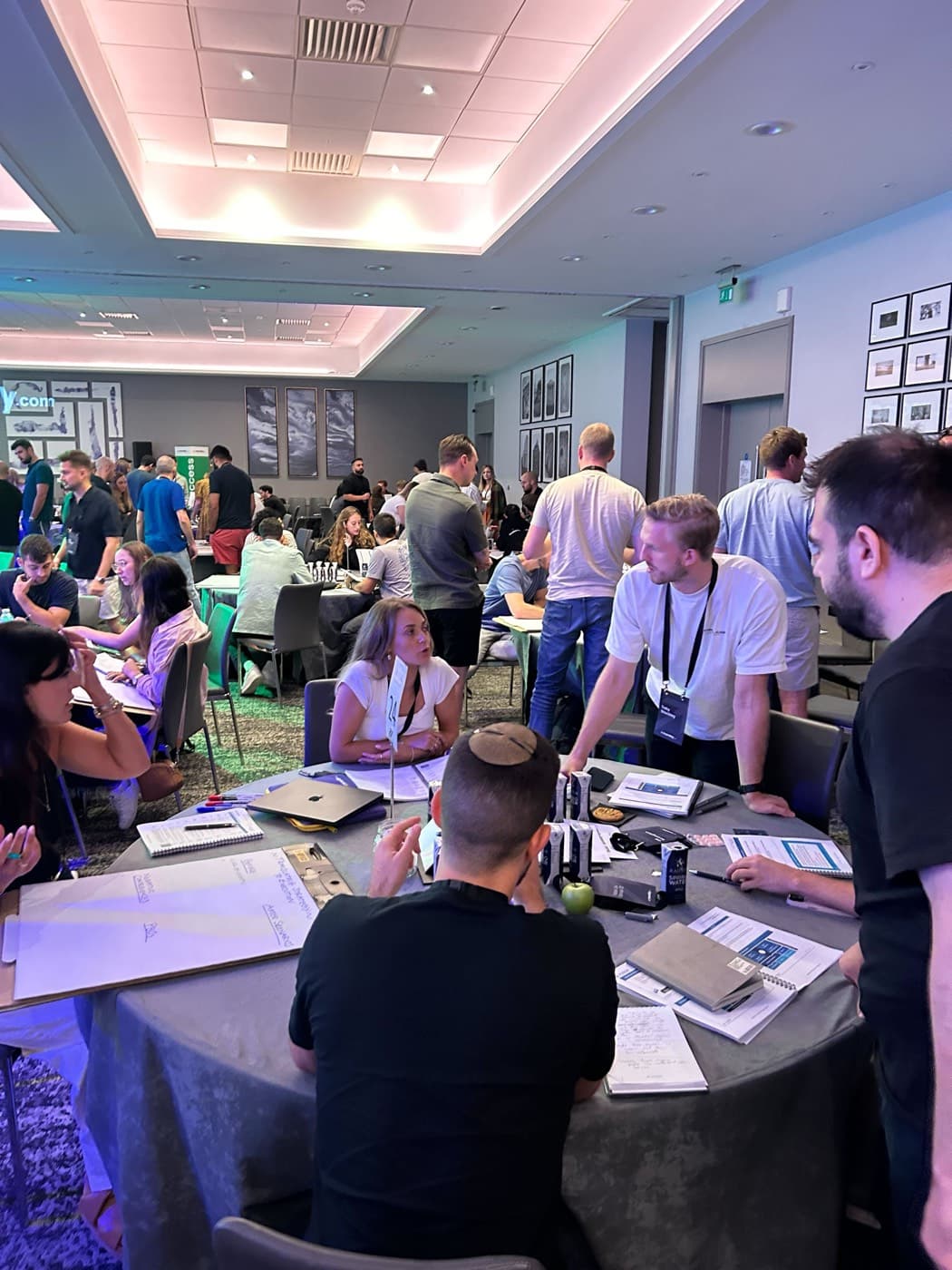
- Twelve to sixteen people, and who they are matters more than how many. Cross functional: sales, marketing, product and engineering, customer success, services. Cross level: your executive leadership plus the people who are actually winning, the AEs, SEs, consultants and CSMs your field respects. Cross product, including whatever you acquired. The reason for the invite list is not expertise. It is "alignment, buy-in, & thought completeness."
More on thisClose
The winning sellers are not there as a courtesy. The structure has to be filled with what is already working in your market, and they are the only people who know what that is. A guide built without them is a guide the field can tell was built without them.
Two seats I ask for by name. Your Chief Product Officer, because a differentiator that goes in this guide becomes a promise the roadmap has to keep, and the room should hear them say whether it can. Your Chief Customer Officer, because renewal and expansion run on the same value drivers, and a guide written only for the new logo conversation gets quietly rewritten later by whoever inherits the account.
- What you supply
- Answers to three pre-work questions: who your center-of-mass audiences are, what critical economic challenges you address that make customers spend, and what differentiates you from the alternatives. Then cleared calendars and phones down. A good scribe per breakout group, meaning someone who will not dominate, can synthesize several people at once and writes concisely. And one named owner for the final review.
- What I do
- Facilitate, and my own definition of that job is a trusted outsider with enough knowledge to understand your market and direction, and not enough to be biased. I also prepare two or three of your people to co-facilitate alongside me, so the process ends up codified inside your company rather than inside my calendar.
- What this is not
- Professionally designed customer-facing materials, and not formal market message testing. Both are real pieces of work and neither one is this.
Two reasons this works
Conversational Messaging · One Message Foundation
Two halves of one structure
The guide writes your language into the structure. The training teaches your people to run it. Buying either one alone is the common and expensive mistake.
The content
Conversational Messaging
Writes your market's language into it: your customers' value drivers, your differentiators, and the questions that get a rep to both.
This offer
The capability
Sales Training and GTM Transformation
Teaches your people to run it in a live conversation, then coaches it until it holds.
The conversational structure
Content nobody has been taught to run gets recited.A method with nothing in it gets improvised.
One foundation, not three messages
Messaging is the worst messaged term in the enterprise, and most of the argument about it turns out to be an argument about ownership. So ownership gets settled first, and at the top. Your executive leadership team owns the foundation. Brand content belongs to marketing. The two-way conversation belongs to a cross-functional team. Product and services defend the promise the other two are making. Nobody leaves the room owning a version of the story the other two have not heard.
Why that mattersClose
The alternative is what most companies have: a guide written against a foundation the brand team never saw, producing a first meeting that contradicts the campaign that generated it. That is not a communication failure. It is three teams answering the same four questions separately.
Revenue: differentiation reaches the decision criteria instead of dying between the campaign and the call. Cost: one build, rather than a brand agency, a sales messaging vendor and a product marketing team producing three messages somebody has to reconcile later.
Built for your motion, not delivered from a binder
The structure travels. The content never does. Two specifics show what that means.
Why that mattersClose
Openings are built per channel. A lead arriving one way already believes something a lead arriving another way does not, and one opening question for both throws that difference away. Where you sell through more than one channel, the guide carries a separate opening for each.
And how you describe what you do, and what you do better, is settled before the workshop rather than during it, because it has to hold as a pattern across every block. Service businesses organize that by process; product businesses organize it by solution set. Getting it wrong costs a rewrite of everything downstream.
The difference shows up in whether it gets used. A conversation built for your buyer gets run. A generic one gets recited at them for two quarters, quietly abandoned, and relaunched by somebody who was not in the room the first time either.
Proof
A cross-functional leadership team at Energage built it in the room over two to three days, in breakout groups, with their own people co-facilitating alongside me. Three value drivers, seven differentiators, separate openings for the two channels they sell through, close to a hundred discovery and decision criteria setting questions, customer stories and eight worked objections. It shipped as one forty-one page document their field uses.
The artifact and the cross-functional agreement behind it
What it is like to work with me

“I had the privilege to work with Russell 3 times. After many years of selling and sales leadership where I have been trained at Solution Selling twice, Customer Centric Selling 3 times, Sandler once, Force Management 3 times, I can easily say that Russell is one of the best facilitators of sales training I have met. His ability to lead a room with 2, 3 or 400 people is absolutely incredible. Russell has this gift of feeling the energy of the people he interacts with and can instantly adapt his speech to them; Russell has an extremely strong psychology and can really lead and inspire others through a shared objective. Last point that really inspired me when I was working with him is that Russell enjoyed so much what he does that it is contagious with everyone and make them enjoying learning.”

“Russell, I can’t begin to tell you how much I appreciate your efforts this week! I’ve been through many sales trainings and this was the best I’ve ever attended, much due to you. My team is pumped!”

“Russell, I teared up at the end of your session b/c you reminded me of why I loved sales strategy so much. Thank you for your warmth, the kindness you exuded, and the passion you shared.”

“I was not exaggerating when I told you, and several others, that I have been in many training classes over the years, and this will absolutely stand out as the best one, bar none.”

“Russell’s ability to break down complex concepts into simple, actionable strategies made an immediate impact. Since then, I’ve brought him back multiple times. Russell has a unique talent for making sophisticated sales principles easy to understand and, more importantly, easy to apply in day-to-day selling. Russell immediately elevates any GTM teams efforts.”
Questions people ask
What stops this becoming another playbook nobody opens?
Two things, and neither is the writing. The first is who wrote it: your own field and your own executives, in one room, arguing. People use what they built. The second is that it is designed to be navigated rather than recited, which is why the questions in it outnumber the statements by a wide margin. The version that gets ignored is the one that arrived finished from somewhere else and told a seller what to say.
Who actually writes it?
Your people, in breakout groups, with a scribe each. I facilitate, hold the standard and synthesize. That distribution is deliberate, and it is why I care more about who the scribe is than about who the best writer in the building is.
Is this a messaging document or a sales methodology?
It is a messaging document written into a selling structure, which is why it gets used. The structure is current state and implications, future state and impact, and the required capabilities that bridge them. This work fills that structure with your market's language. Teaching your reps to run it in a live conversation is the training, and that is a different engagement. Buying the guide without the ability to run it gets you a better document and the same conversations.
What if our leadership team does not agree on our differentiators?
Then the executive alignment call is where you find out, three hours, a week ahead. The pre-work asks its three questions and I synthesize the answers myself, so the disagreements are on a screen before anyone is in a room together. A workshop that discovers a leadership disagreement on day two loses a day. Pre-work that surfaces the same disagreement costs an hour of my time.
Two to three days of our executives' time is a lot to ask.
It is, and the commitment is the mechanism rather than a cost of it. Half a leadership team produces half a message, and compelling messaging without consistency and buy-in will not compel. My rule for the room is that if you are there, you are there: schedules cleared, laptops shut, urgent matters handled at the break. I would rather move the date than run it with people who are half present.
Can our marketing team do this themselves?
Some of it, and where they can I would rather they did. The hard part is not the writing. It is that whoever runs the room has to be a trusted outsider with enough knowledge to understand the market and direction, but not enough knowledge to be biased, and has to be able to tell a senior person their favorite differentiator will not survive one customer question. Usually the person in your building who could do that is the person whose differentiator is about to get cut. If that is not true at your company, run it yourself. Either way I prepare two or three of your people to run the next one.
Does this work for a customer success team rather than a sales team?
Yes, and it is often where the need is sharpest. Customer success runs two-way conversations for renewal, upsell and cross-sell, and people in those roles frequently think selling is something distasteful being asked of them. A guide built on the customer's own value drivers changes what they believe is being asked of them, because the conversation starts from a problem the customer already has rather than from a product somebody wants moved.
Call this Align. It is the part where your leadership team, your field and your product organization stop holding three private versions of what you sell and settle on one, in your buyer's terminology. The outcome it is pointed at is yours, whatever you are being held to this year, and I do not know how to build a guide against anything else.

Go and listen to three of your own recorded calls.
Not your best three. Three at random, from three different sellers. Listen past the opening question to the second one, and then listen for the moment where the buyer says out loud, in their own words, what they need to be able to do. On most calls that moment never arrives and the seller pitches anyway. If you hear that on all three, you have heard the whole problem, and you did not need me to point it out.
Start a conversation